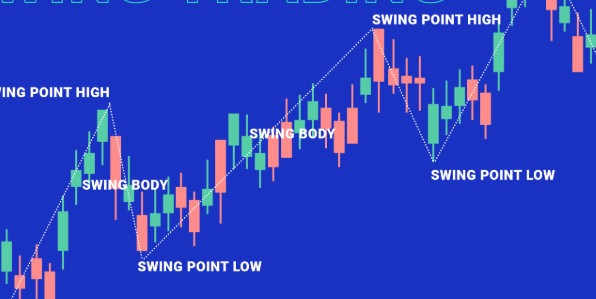
Crypto trading can be both exhilarating and profitable, but it’s also a market full of volatility and risk. As more people dive into the world of cryptocurrency, understanding the right strategies to employ is essential for long-term success. Whether you’re just starting out or you’re an experienced trader, knowing how to navigate the complexities of the crypto market can set you apart from the rest.
In this article, we’ll discuss the top strategies for crypto trade success in 2025, helping you make informed decisions, maximize profits, and minimize losses.
1. Understand the Market and Do Your Research
The first and most important strategy for crypto trading success is understanding the market dynamics. Cryptocurrencies are highly volatile, and their prices are influenced by a variety of factors, including market trends, government regulations, and technological advancements.
Tips for Effective Market Research:
- Follow crypto news: Stay updated with reliable sources like CoinDesk, CoinTelegraph, and CryptoPanic to get real-time news about market movements and events.
- Technical analysis: Use platforms like TradingView or CryptoCompare to study price charts and trends, which can provide valuable insights into when to buy or sell.
- Fundamental analysis: Assess the potential long-term growth of a cryptocurrency by looking into its technology, use case, and developer activity.
2. Diversify Your Portfolio
One of the golden rules of trading, especially in volatile markets like crypto, is diversification. Putting all your money into a single cryptocurrency is risky, as the price can fluctuate dramatically. Instead, spread your investments across different coins to reduce risk.
Why Diversification Matters:
- Spread risk: If one coin performs poorly, others in your portfolio may perform well, balancing out your overall risk.
- Exposure to multiple opportunities: Diversifying allows you to take advantage of different growth potentials across various cryptocurrencies.
Consider adding a mix of established coins like Bitcoin (BTC) and Ethereum (ETH), along with some high-potential altcoins, to ensure your portfolio isn’t overly reliant on a single asset.
3. Master Technical Analysis
Technical analysis (TA) is a method used to evaluate and predict future price movements based on historical price data and trading volume. By mastering TA, you can make better-informed decisions and identify key trends in the market.
Key Tools for Technical Analysis:
- Candlestick charts: Use candlestick patterns to analyze short-term price movements.
- Moving Averages (MA): Simple and exponential moving averages help to identify trends and potential buy or sell signals.
- Relative Strength Index (RSI): This indicator helps determine if an asset is overbought or oversold, aiding in decision-making.
- Support and Resistance Levels: Identifying key levels of price support and resistance can help you make better buy and sell decisions.
Platforms like TradingView offer a wide range of tools to assist in your technical analysis, helping you refine your strategies and identify entry and exit points.
4. Utilize Stop-Loss and Take-Profit Orders
To protect yourself from significant losses, it’s crucial to use stop-loss and take-profit orders in your trades. These orders help you automatically exit a trade when a specific price is reached, reducing the need for constant monitoring.
How Stop-Loss and Take-Profit Orders Work:
- Stop-Loss: A stop-loss order automatically sells your cryptocurrency at a set price to limit losses. For example, if you bought Bitcoin at $50,000 and set a stop-loss at $45,000, the order would trigger and sell your Bitcoin if the price drops to that level, limiting your loss.
- Take-Profit: A take-profit order allows you to lock in profits when a cryptocurrency reaches a target price. For instance, if you bought Ethereum at $2,000 and set a take-profit order at $2,500, the order would sell automatically once the price reaches $2,500.
These orders help reduce emotional decision-making and automate the trading process.
5. Leverage Trading with Caution
Leverage trading allows you to borrow funds from the exchange to increase the size of your trades. While leverage can amplify your profits, it also increases the potential for significant losses, especially in the volatile crypto market.
Tips for Using Leverage:
- Start small: Only use leverage with small amounts of capital, especially if you’re new to trading.
- Use risk management: Implement stop-loss orders and maintain a balanced risk-to-reward ratio when using leverage.
- Don’t over-leverage: It’s tempting to use high leverage to amplify profits, but doing so can wipe out your account quickly if the market moves against you.
Platforms like Binance and Kraken offer leverage trading, but it’s essential to understand the risks involved before using it.
6. Stay Patient and Avoid FOMO (Fear of Missing Out)
In the fast-paced world of crypto, it’s easy to get caught up in the hype and make impulsive decisions. However, patience is key to long-term success. Avoid making rash decisions based on the Fear of Missing Out (FOMO) or chasing the latest trend without doing proper research.
How to Avoid FOMO:
- Stick to your plan: Set clear goals and strategies for your trades and stick to them, even when the market is volatile.
- Don’t chase the market: Be mindful of your risk tolerance and avoid buying into a coin just because its price is rising rapidly.
- Take profits: When your investments have reached a reasonable target, don’t be afraid to take profits and secure your gains.
Being patient and disciplined in your approach will help you make more calculated and informed decisions, rather than chasing after fleeting opportunities.
7. Stay Updated on Crypto Regulations
The cryptocurrency market is heavily influenced by government regulations and policies. Changes in laws can cause significant price swings, so it’s essential to stay informed about the regulatory environment in your country and globally.
Why Regulations Matter:
- Impact on price: Regulatory announcements, such as bans or tax changes, can impact the price of cryptocurrencies.
- Security: Regulatory clarity can help reduce scams and fraud in the market, making it safer for investors.
- Adapting strategies: Understanding changes in regulations allows you to adapt your strategies accordingly.
Keep an eye on updates from authorities like the SEC, FCA, and FATF, and follow crypto news websites for the latest news on regulations.
Conclusion
Success in crypto trading requires a combination of knowledge, strategy, and discipline. By implementing these top strategies for crypto trade success, including thorough research, diversification, technical analysis, and risk management, you can position yourself to take advantage of the opportunities in the crypto market.
Remember that crypto trading is a marathon, not a sprint. Stay informed, practice patience, and continuously refine your approach to maximize your profits and minimize risks. Keep learning, and with the right strategies, you can thrive in the dynamic world of cryptocurrency trading.
Proof Code : 2025-559P